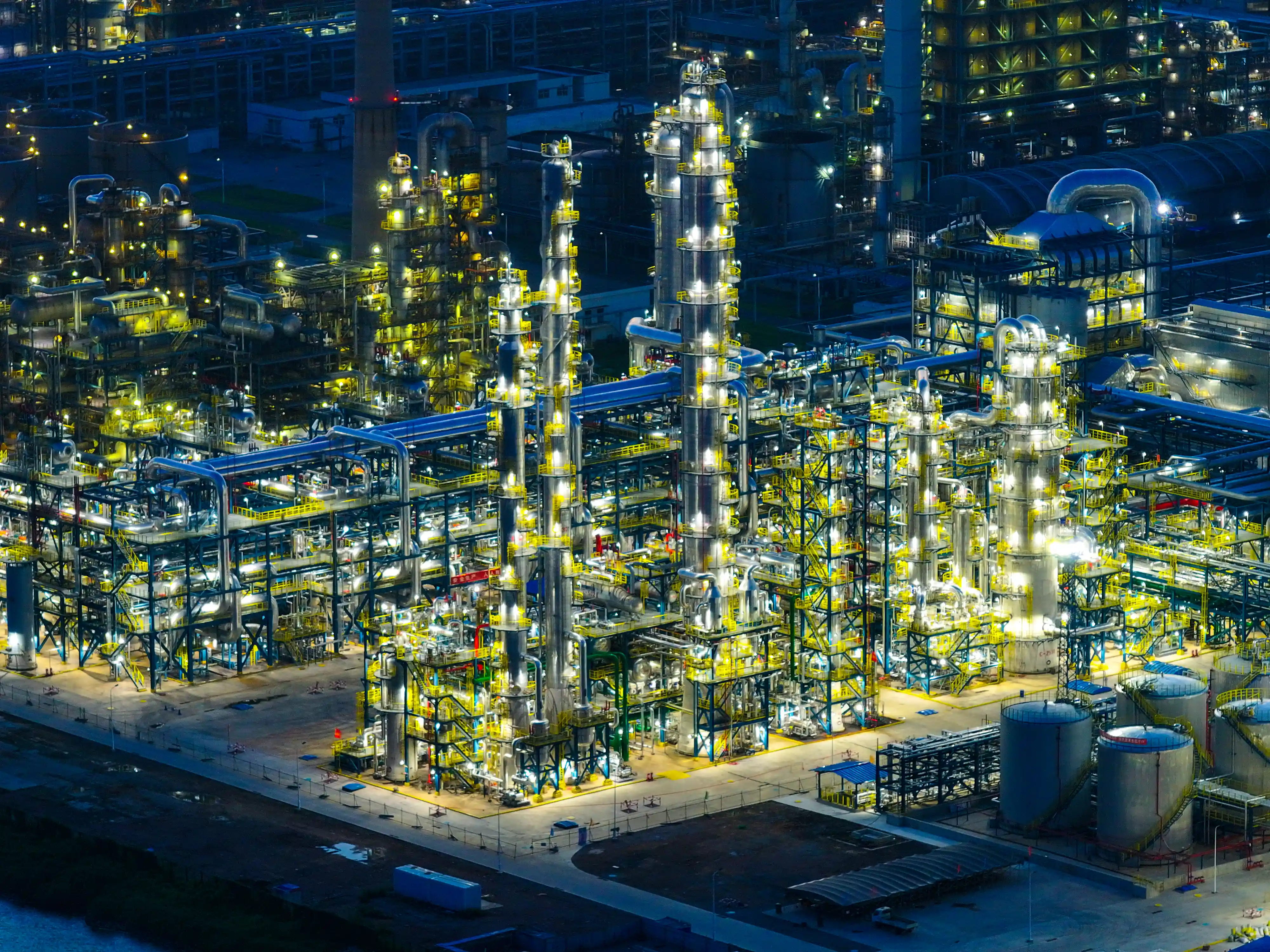
Inert protection refers to operations that utilize non-combustible protective gases to avoid various hazardous conditions. Introducing inert gas serves three primary purposes: preventing explosions, protecting materials from moisture exposure, and inhibiting harmful side reactions. Different inerting methods in industrial applications are tailored to specific process requirements: 1. Purge and Displacement Inert gas is introduced into pipelines to displace and expel existing process media, eliminating safety hazards caused by residual substances. 2. Tank Blanketing A continuous flow of protective gas is maintained above the liquid surface to sustain a stable inert atmosphere. This fundamentally eliminates explosion risks and significantly prevents quality degradation issues such as discoloration and polymerization. 3. Sparging and Degassing Inert gas is introduced into liquids in the form of bubbles, substantially increasing gas-liquid contact area and enhancing mass transfer and mixing. This process is widely used in chemical engineering, biological reactions, and stripping operations; nitrogen sparging is employed to remove dissolved oxygen from oils and wastewater.
Customer Applications
• Chemical Industry: Inerting of storage tanks, tank farms, reactors, and pipelines
• Pharmaceutical Industry: Inerting of reactors, dryers, raw material storage tanks, and raw material silos
• Petrochemical Industry: Inerting of storage tanks, reactors, pipelines, and powder silos
• Biofuel Industry: Inerting of storage tanks, raw material silos, and reactors
• Energy Sector: Inerting of fuel depots, storage tanks, pipelines, LNG receiving terminals, and wood chip/dry sludge/coal storage silos
• Storage & Transportation: Inerting of storage tanks, pipelines, silos, tank trucks, and ship cargo holds
• Special Applications: Inerting of carbon fiber composite autoclaves, ceramic kilns, natural oil storage tanks, and drying equipment