Messer's gas products help airplanes soar in the blue sky and rockets fly into space
Aircraft have fulfilled humanity's dream of soaring through the blue sky, while launch vehicles and spacecraft have realized humankind's aspiration of leaving Earth and venturing into space. Aircraft refer to flying vehicles capable of operating within the Earth's atmosphere, including airplanes, helicopters, and airships. Spacecraft are those vehicles that can perform missions outside the Earth's atmosphere, such as satellites, spacecraft, space stations, and probes, as well as the launch vehicles that carry these spacecraft into space. Manufacturing these vehicles requires a great deal of metallic materials, particularly those that are lightweight yet capable of stable operation under extreme conditions, such as aluminum, copper, and titanium, as well as nickel-based and cobalt-based superalloys that are indispensable for manufacturing aircraft and rocket engines. Welding these materials demands special care, as they are difficult to weld and prone to various welding problems. The service environments of aircraft and spacecraft are extremely harsh, encompassing temperatures as low as minus 100 degrees Celsius and as high as over 1,000 degrees Celsius, along with the challenges of space electromagnetic radiation and vacuum. Any weld failure would lead to catastrophic consequences, thus imposing extremely stringent requirements on welding quality. Meeting these requirements necessitates carefully selected metallic materials, rigorously validated and qualified welding processes, and high-quality welding operations under strict control, as well as the best and most appropriate welding and cutting gases to achieve the highest level of safety and reliability.
Messer Welding Gas Products
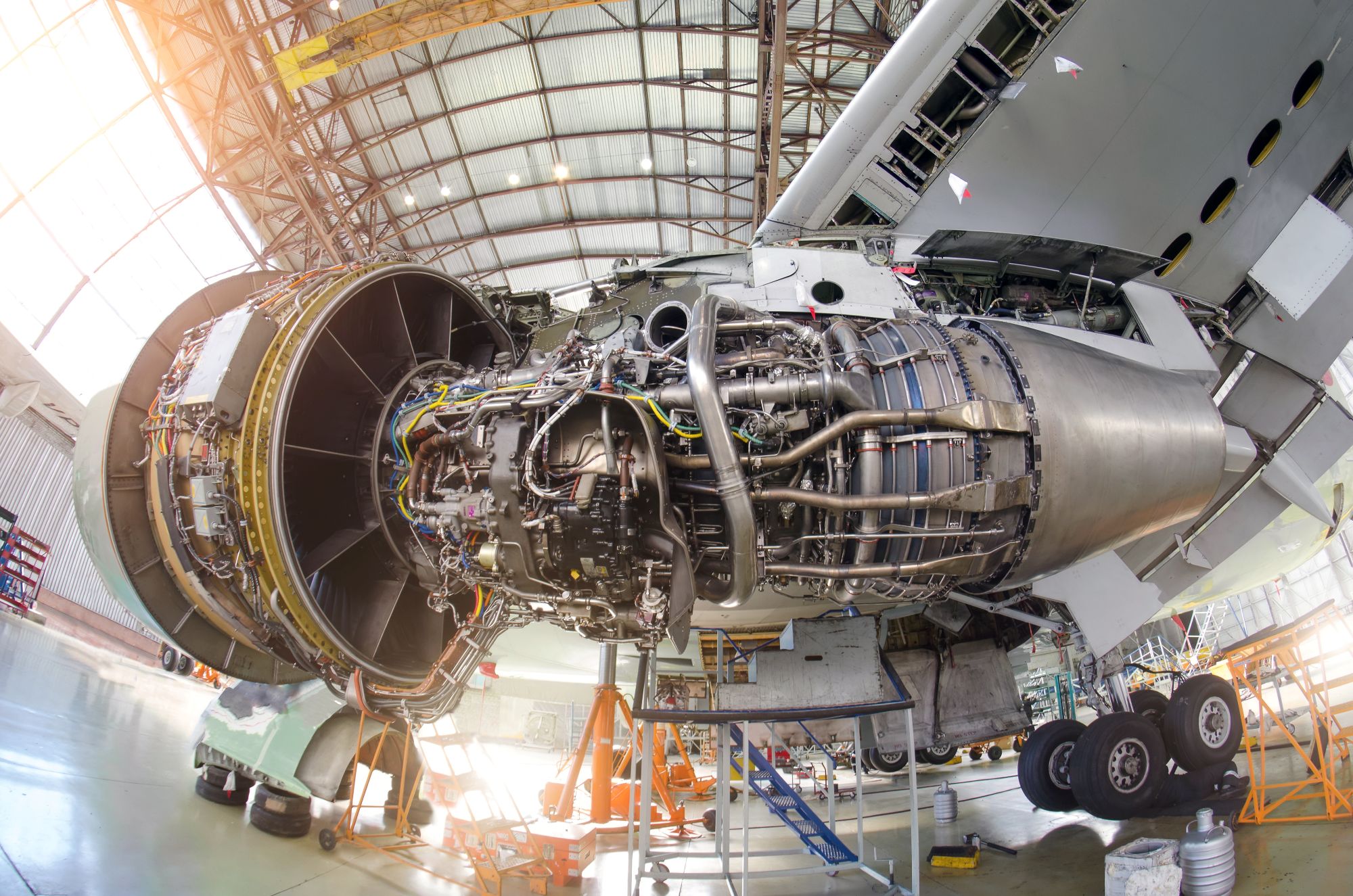
Messer's Inoxline®, Aluline® , Addline® , and Lasline® gas products provide a solid and reliable guarantee for achieving the above objectives. They are respectively suitable for TIG welding, plasma arc welding, laser welding, and additive manufacturing (3D printing) of the aforementioned materials. While ensuring ultimate welding quality, they significantly reduce welding difficulty and enhance welding reliability.

Gases Available from Messer
Argon
①Cylinder
②Dewar
③Mini-tank
④Liquid tank
Nitrogen:
①Cylinder
②Dewar
③Mini-tank
④Liquid tank
Helium:
①Cylinder
②Tube trailer
Inoxline® H2, H5, H7
Cylinder
Inoxline® Premium
Cylinder
Aluline®
Cylinder
Addline® Argon
①Cylinder
②Dewar
③Mini-tank
④Liquid tank
Addline® Nitrogen
①Cylinder
②Dewar
③Mini-tank
④Liquid tank
Addline® Helium
①Cylinder
②Tube trailer
Addline® Argon-Enriched Mixtures
Cylinder
Forming Gas® series
Cylinder
